What to Expect During a Professional Wildlife Removal Visit
People seeking wildlife removal typically want pests safely removed and excluded, and local service providers can handle the job professionally and efficiently.
If you’re wondering what to expect during a professional wildlife removal visit, you’re in the right place. Property owners in the area often seek out these services to address issues with animals that have taken up residence in or around their homes. Understanding the process can help ease concerns and prepare you for what’s involved. Typically, a wildlife removal specialist will start with an inspection to identify the type of animal, entry points, and the extent of the problem. This initial step is crucial for planning an effective and humane removal strategy, ensuring that the local contractors you connect with are equipped to handle a variety of situations safely and efficiently.
During a wildlife removal visit, the focus is on humane and effective removal methods tailored to the specific animal involved. You can expect the service provider to carefully trap or exclude the wildlife while minimizing disruption to your property. After the animal is removed, many local contractors also offer advice on preventing future issues by sealing entry points and making your property less appealing to wildlife. Knowing what to expect during this visit can help you feel more confident in the process and highlight how local wildlife removal services are dedicated to resolving these issues safely and responsibly. Keep reading to learn more about how these professionals can help protect your home from unwanted wildlife visitors.
- Wildlife exclusion - when animals have entered a property and need to be safely removed and prevented from re-entry, local contractors implement exclusion techniques to seal entry points.
- Animal trapping - if wildlife has become a nuisance or health concern, local pros may use humane traps to capture and relocate the animals.
- Habitat modification - in cases where wildlife is attracted to a property, local service providers may recommend changes to reduce attractiveness and discourage future visits.
- Damage repair - after wildlife removal, local contractors often perform repairs to eliminate entry points and restore damaged areas.
- Inspection and assessment - during a professional wildlife removal visit, local pros conduct thorough inspections to identify the extent of the issue and plan appropriate removal strategies.
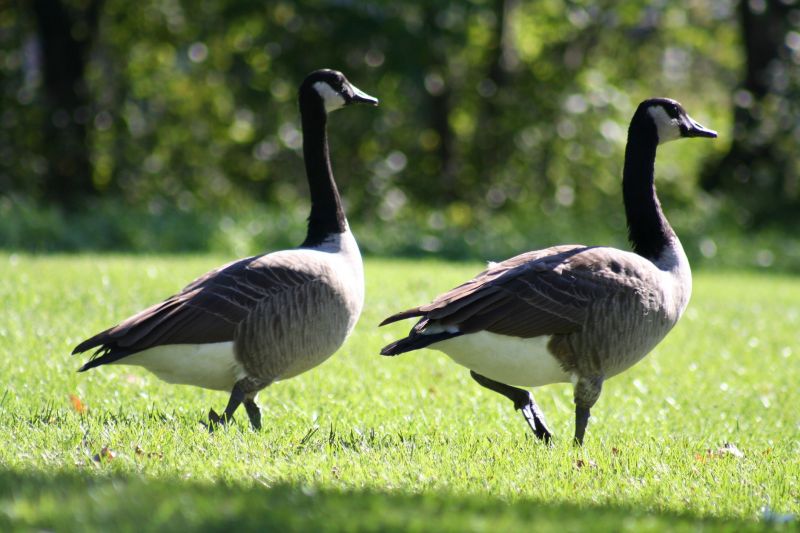
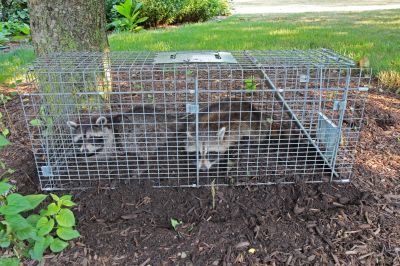
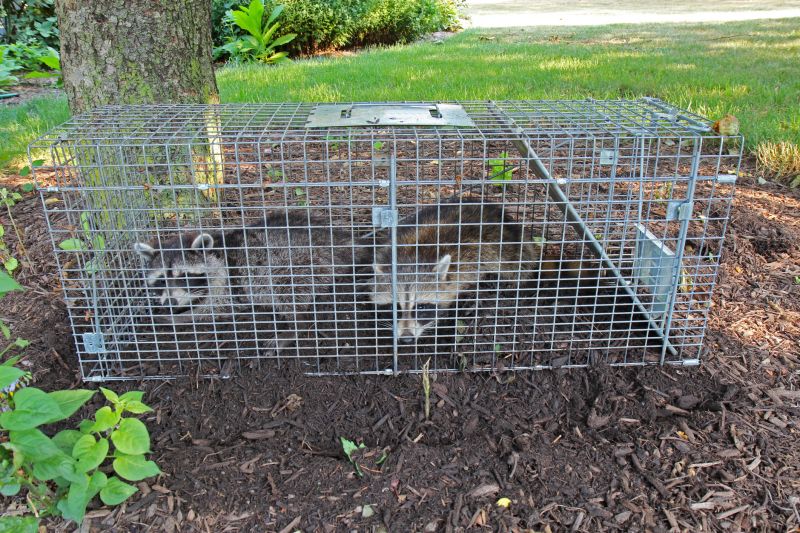
When people search for what to expect during a professional wildlife removal visit, they are often seeking clarity about the process involved in resolving animal intrusions on their property. This includes understanding how wildlife professionals assess the situation, what steps they take to safely and humanely remove animals, and how they ensure that the problem is fully addressed. Homeowners may be concerned about the invasiveness of the process, the types of animals involved, or how long the visit will last. Clear expectations help reduce uncertainty and make the experience smoother, especially for those unfamiliar with wildlife control procedures.
The scope of wildlife removal often relates to problems such as animals nesting or roosting in attics, chimneys, or walls, as well as issues caused by raccoons, squirrels, bats, or birds. Many property owners plan to eliminate ongoing nuisances or prevent future damage caused by these animals. In some cases, the goal is to address damage caused by chewed wiring or insulation contamination. Wildlife professionals are equipped to handle these situations with humane removal techniques, and understanding what to expect during a visit can help homeowners prepare for the process and coordinate any necessary repairs or exclusions afterward.
Properties that typically come up in wildlife removal projects include residential homes, especially those with attics, basements, or roof spaces that provide easy access for animals. Commercial buildings, barns, and outbuildings are also common sites where wildlife intrusion can occur. The design and age of a property can influence how animals gain entry and where they settle. Local service providers are familiar with the common wildlife challenges faced by different property types in the area and can tailor their approach accordingly. Knowing what to expect during a wildlife removal visit helps property owners understand how these professionals evaluate and address animal problems on various kinds of properties.
During a professional wildlife removal visit, homeowners can expect the wildlife technician to conduct a thorough inspection of the property to identify points of entry, signs of animal activity, and areas of damage. The technician will typically explain their findings and outline the removal plan, which may include trapping, exclusion, or habitat modification. The process is generally designed to be minimally disruptive, with an emphasis on humane treatment of animals. After the animals are removed, the technician may advise on sealing entry points and preventing future invasions. Understanding what happens during this visit can help property owners feel more informed and prepared for the steps involved in resolving their wildlife issues.
Exclusion Services - local contractors specialize in sealing entry points and preventing wildlife from re-entering structures, which is a key part of what to expect during a professional wildlife removal visit.
Animal Damage Repair - professionals often handle repairs to damaged insulation, vents, or siding caused by wildlife, aligning with the planning and assessment stage of wildlife removal.
Habitat Modification - local service providers can advise on or implement changes to reduce attractants around a property, supporting the overall removal process.
Nest Removal and Cleanup - removing nests and cleaning up debris is a common task during wildlife removal visits, requiring similar tools and planning as other pest exclusion projects.
Trap and Relocation Services - some local contractors offer trapping and humane relocation of wildlife, which is often part of managing the removal process effectively.
Inspection and Assessment - detailed property inspections to identify the extent of wildlife activity are fundamental to both wildlife removal and related animal control projects.
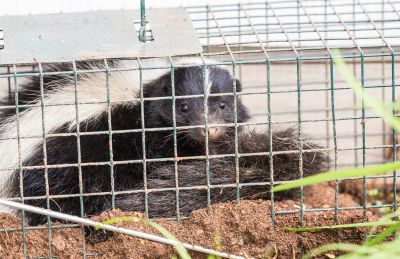
When evaluating wildlife removal service providers, it’s important for homeowners to consider the experience of local contractors with similar projects. A provider’s familiarity with the specific types of wildlife common in the area can influence the effectiveness of the removal process and the safety of the property. Homeowners should inquire about the types of animals the contractor has handled previously and whether they have encountered situations similar to their own. This helps ensure the professional has practical knowledge and a history of managing wildlife issues effectively, reducing the likelihood of unexpected complications during the visit.
Clear, written expectations are a crucial aspect of choosing a reputable wildlife removal service. Homeowners should look for providers who can offer detailed explanations of what the removal process entails, including the steps involved, any necessary follow-up work, and what the homeowner can expect during and after the visit. Having this information in writing helps prevent misunderstandings and ensures everyone is aligned on the scope of work. It also provides a reference point should questions or concerns arise later in the process.
Reputable local service providers are also distinguished by their ability to communicate effectively and provide references or testimonials from previous clients. Good communication involves not only clear explanations but also responsiveness to questions and concerns. Homeowners are encouraged to ask for references or reviews to gauge the reliability and professionalism of the contractor. Reliable communication and positive references can give confidence that the wildlife removal visit will be handled professionally, with attention to detail and respect for the homeowner’s property and needs.
Property owners often search for what to expect during a professional wildlife removal visit when they are planning practical projects around their homes and businesses. Local pros provide Wildlife Removal services for everyday jobs and straightforward project options.
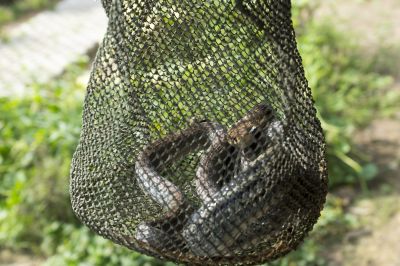
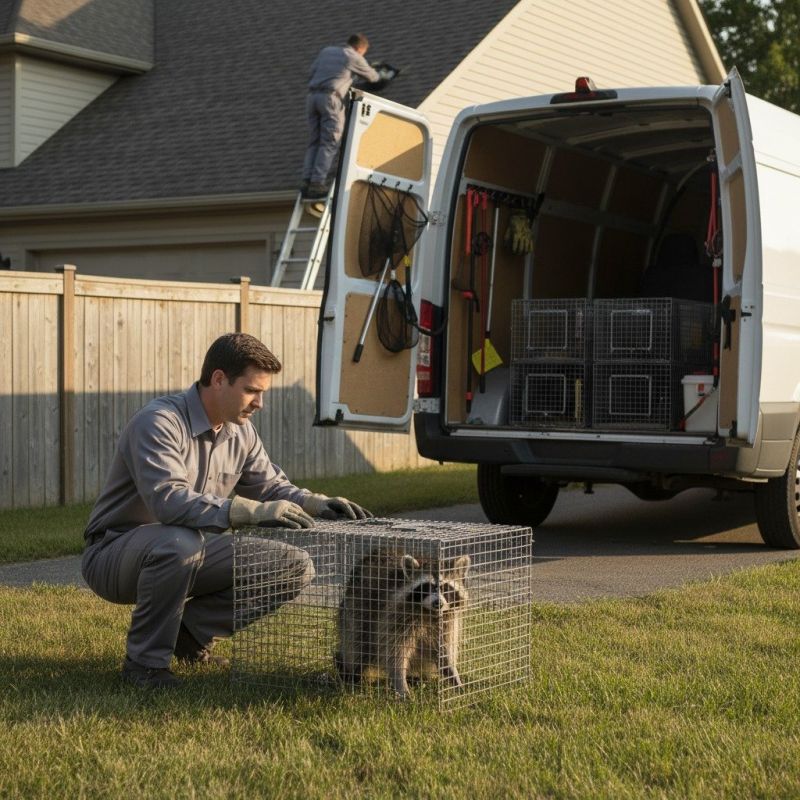
During a professional wildlife removal visit, property owners can typically expect a thorough assessment of the affected areas. Service providers will inspect the property to identify signs of wildlife activity, such as droppings, damage, or nesting sites. This initial evaluation helps determine the type of wildlife involved and the best approach for humane removal. The process often involves setting traps or using other humane exclusion methods to safely capture or encourage animals to leave the premises. Property owners might also notice that the wildlife specialists take steps to minimize disruption and ensure that the animals are removed without causing unnecessary damage to the property.
Throughout the visit, local contractors usually explain their methods and what property owners can expect during the removal process. They may also provide guidance on how to prevent future wildlife visits, such as sealing entry points or making modifications to the property. The goal of these visits is to handle the situation efficiently while respecting animal welfare. Property owners often find that a professional approach helps resolve the issue quickly and reduces the risk of recurring problems, making it easier to restore peace of mind and protect their property from future wildlife intrusions.
What should I expect during a professional wildlife removal visit? During a visit, local service providers typically assess the affected area, identify the type of wildlife involved, and determine the best removal methods. They may also inspect for entry points and signs of activity to plan effective exclusion strategies.
Will the wildlife removal technician perform any repairs or sealing? Yes, most local pros include sealing entry points and making necessary repairs to prevent future wildlife intrusions as part of their service during the visit.
How invasive will the removal process be? The process is generally designed to be minimally invasive, focusing on humane removal methods and ensuring minimal disturbance to your property and household.
What equipment or tools do wildlife removal specialists use during their visit? Local contractors typically use specialized traps, protective gear, and inspection tools to safely and effectively remove wildlife from your property.
Will I need to do anything before or after the wildlife removal visit? It’s usually recommended to clear the area of personal belongings and inform the technician of any specific concerns, while post-visit advice may include monitoring for new wildlife activity and maintaining sealed entry points.
Inspection process - property owners can expect wildlife removal service providers to thoroughly assess the property to identify entry points and signs of wildlife activity.
Explanation of methods - local contractors will explain the techniques they plan to use to safely remove animals and prevent future intrusions.
Safety considerations - professionals will discuss safety measures taken during the visit to protect both the property and the wildlife involved.
Post-removal recommendations - service providers may suggest steps to secure the property and prevent wildlife from returning after the visit.
If you are thinking about what to expect during a professional wildlife removal visit for a property, this guide is meant to help you understand this topic, the typical project types, and how different options might fit your plans.
When you are ready, you can use the quote form on this page to share a few details about your project. From there, local pros can review the basics and follow up with options that match what you have in mind.