How Squirrels Damage Roofs and Attics and What to Do About It
If you're concerned about how squirrels damage roofs and attics, local service providers can help remove them and prevent further harm.
Many property owners in the area discover that squirrels can cause unexpected damage to their roofs and attics, leading to costly repairs if left unaddressed. Understanding how squirrels damage these parts of a home is essential for protecting your property’s integrity and preventing potential issues like insulation contamination, structural harm, or pest infestations. If you’re noticing signs of squirrel activity or simply want to stay ahead of possible problems, exploring solutions provided by experienced local contractors can help ensure your home remains secure and well-maintained.
For those interested in safeguarding their homes, connecting with trusted local service providers who specialize in squirrel removal and prevention is a practical step. These professionals can assess your property, identify vulnerabilities, and implement effective measures to stop squirrels from causing further damage. Keep reading to learn more about how squirrels impact roofs and attics, and discover how local experts can assist in resolving these common issues efficiently.
- Squirrel Removal - needed when squirrels have entered roofs or attics, with local contractors using humane trapping and exclusion methods.
- Roof Damage Repair - required if squirrels have caused holes or structural damage, with service providers restoring the integrity of the roof.
- Attic Restoration - necessary after squirrels have contaminated insulation or created nesting sites, with local experts cleaning and replacing affected materials.
- Wildlife Exclusion - essential to prevent future squirrel entry, with pros installing barriers and sealing entry points around the property.
- Damage Inspection - advised when signs of squirrel activity are present, with specialists assessing the extent of damage and recommending solutions.
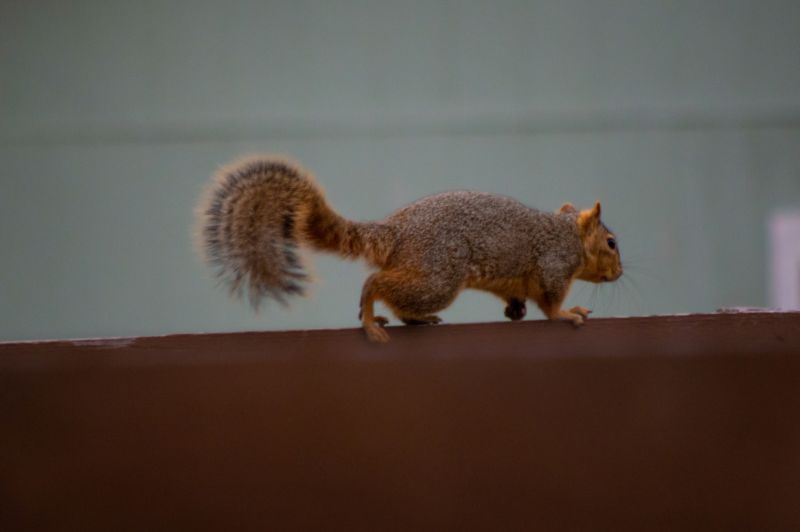
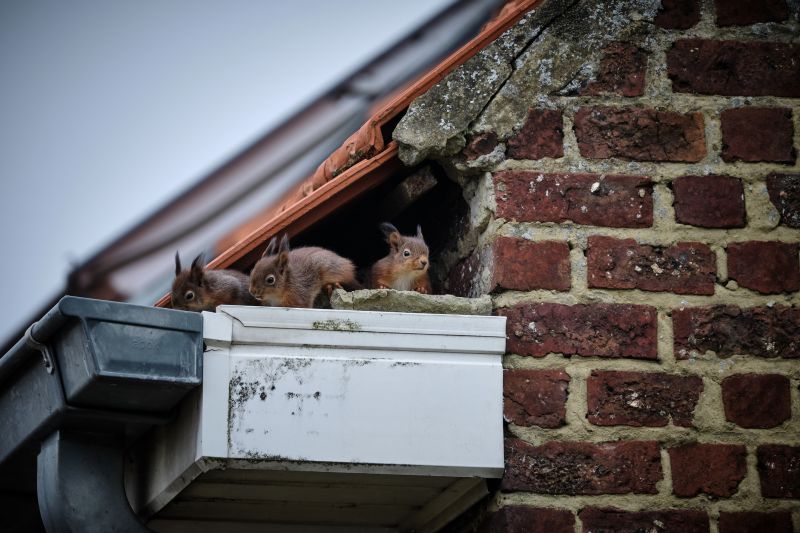
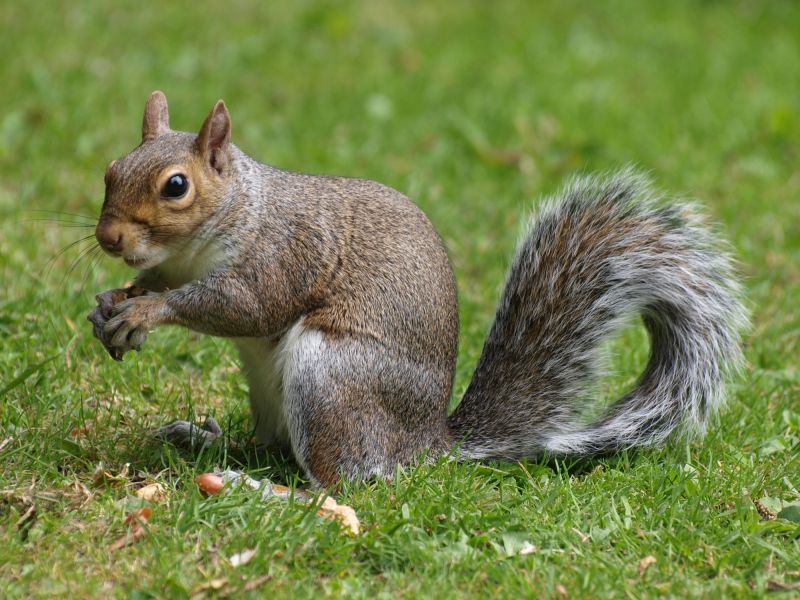
When people search for how squirrels damage roofs and attics and what to do about it, they are often concerned about the safety and integrity of their homes. Squirrels are known to seek shelter in attics, especially during colder months, and can cause significant damage in the process. Homeowners may notice signs such as scratching noises, droppings, or chewed wiring, which indicate a squirrel presence. These searches typically relate to problems like roof damage, insulation destruction, and the risk of fire hazards from chewed electrical wires. Understanding these issues helps homeowners recognize the importance of addressing squirrel activity promptly to prevent further damage and costly repairs.
The problems associated with squirrels damaging roofs and attics often involve physical damage to roofing materials, such as chewed shingles, vents, or soffits. Squirrels can create entry points by gnawing on vulnerable spots, which allows them to access attics and crawl spaces. Once inside, they may nest in insulation, leading to insulation degradation and increased energy costs. Additionally, squirrels tend to chew on electrical wiring, creating fire hazards and potential power outages. These issues relate to property protection and the need for effective squirrel exclusion and removal strategies, which local service providers can help with by offering targeted solutions to repair damage and prevent future invasions.
Certain types of properties are more susceptible to squirrel damage, especially those with accessible roofs and open eaves. Homes with gaps in soffits, vents, or damaged roofing materials are common targets. Attics with insulation that is easy for squirrels to nest in also attract these critters. Residential properties in wooded or suburban areas tend to experience more squirrel activity due to the proximity of trees and natural food sources. Commercial buildings with similar vulnerabilities can also be affected, particularly if their roofs are not well-sealed. For property owners facing these issues, connecting with local contractors experienced in squirrel exclusion and removal can be a practical step toward safeguarding their homes and preventing extensive damage.
Addressing how squirrels damage roofs and attics and what to do about it involves a combination of inspection, exclusion, and repair. Local service providers specializing in squirrel removal can assess the extent of the damage, identify entry points, and implement exclusion methods to prevent re-entry. They may also recommend repairs to damaged roofing and sealing gaps to eliminate vulnerabilities. Removing squirrels from the property and restoring damaged insulation or wiring are crucial steps in restoring the safety and integrity of a home. Homeowners who notice signs of squirrel activity should consider consulting with experienced contractors to develop a comprehensive plan for removal and property repair, ensuring that the problem is resolved effectively and sustainably.
Attic Insulation Installation - Proper insulation can prevent squirrels from nesting and causing damage in attics, and local contractors can help with installation and repairs.
Roof Repair and Replacement - Addressing damage caused by squirrels often involves repairing or replacing compromised roofing materials, which local pros are experienced to handle.
Gutter Cleaning and Repair - Squirrels may access attics through clogged or damaged gutters, making gutter services a key part of preventing entry points for pests.
Bird and Pest Proofing - Installing barriers and deterrents to keep squirrels and other pests from accessing roofs and attics is a common service provided by local contractors.
Attic Ventilation Services - Proper ventilation can reduce squirrel nesting opportunities and moisture issues, with local pros capable of installing or repairing vents.
Roof Vent and Chimney Cap Installation - Securing entry points like vents and chimneys helps prevent squirrels from damaging roofs and attics, a task handled by local service providers.
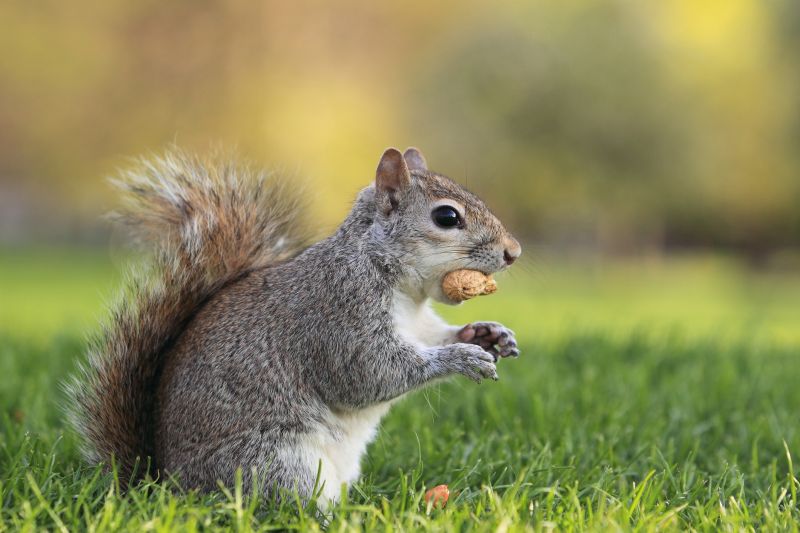
When comparing local contractors for squirrel removal services, it is important to consider their experience with similar projects. Homeowners should look for service providers who have a proven track record of addressing issues related to how squirrels damage roofs and attics, including the removal process and prevention strategies. An experienced contractor will better understand the common signs of squirrel intrusion, the most effective methods for removal, and how to repair any damage caused, helping to ensure the work is thorough and reliable.
Clear communication and well-defined written expectations are essential when selecting a service provider. Homeowners should seek out contractors who can clearly explain the scope of work, including the steps involved in squirrel removal, attic inspection, and any necessary repairs. Having detailed, written descriptions of what will be done helps prevent misunderstandings and ensures that both parties are aligned on the project’s goals. This transparency can also make it easier to evaluate whether a contractor’s approach matches the specific needs of the property.
Reputable references and a reputation for good communication are key factors to consider during the comparison process. Homeowners are encouraged to ask for references or reviews from previous clients who have dealt with similar issues. This feedback can provide insights into the contractor’s professionalism, reliability, and ability to handle the nuances of squirrel-related damage. Additionally, service providers who are responsive, clear in their communication, and willing to address questions or concerns tend to foster a more positive working relationship, making it easier to navigate the project from start to finish.
Property owners often search for how squirrels damage roofs and attics and what to do about it when they are planning practical projects around their homes and businesses. Local pros provide Squirrel Removal services for everyday jobs and straightforward project options.
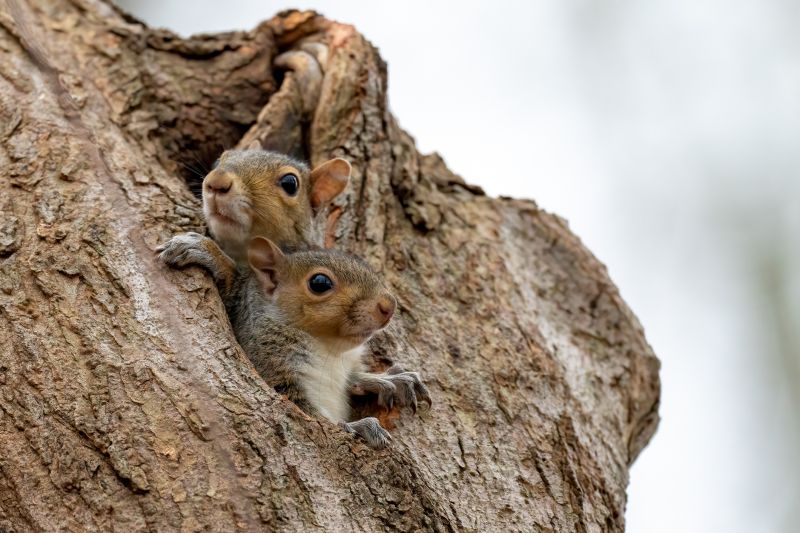
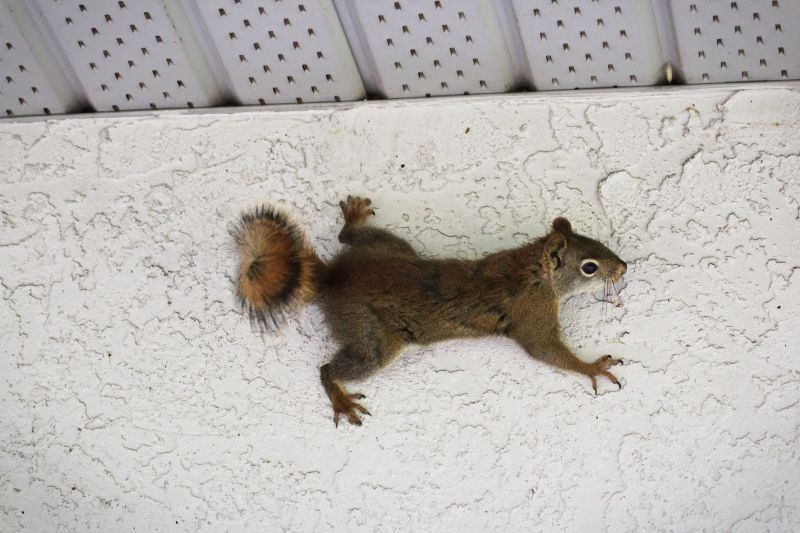
Squirrels often find their way into roofs and attics in search of shelter and food, which can lead to significant property damage. They may chew through roofing materials, vents, and wiring, creating entry points that allow them to access the interior spaces. Once inside, they can cause damage to insulation, chew on wooden structures, and leave behind droppings that contribute to unpleasant odors and potential health concerns. Property owners noticing signs of squirrel activity, such as scratching sounds or stained attic areas, might look into how squirrels damage roofs and attics and what steps can be taken to prevent further issues.
When squirrels have established access to a roof or attic, professional squirrel removal services can help address the problem effectively. Local contractors experienced in squirrel removal can identify entry points, safely remove the animals, and recommend repairs to prevent future invasions. These service providers can also assist with attic cleanup and sealing vulnerable areas to protect the property from ongoing damage caused by squirrels. Consulting with local experts ensures that the problem is handled thoroughly, reducing the risk of recurring issues and preserving the integrity of the home.
How do squirrels damage roofs and attics? Squirrels can cause damage by chewing on roof shingles, vents, and wiring, leading to leaks and electrical issues. They often nest in attics, tearing insulation and creating entry points that allow water and pests inside.
What signs indicate squirrel activity in a roof or attic? Signs include scratching sounds, chewed wires or wood, droppings, and visible nesting materials. Unusual odors and water stains may also suggest squirrel-related damage.
How can local service providers help with squirrel-related roof and attic damage? They can perform inspections to identify entry points and damage, remove squirrels safely, and repair or seal openings to prevent future infestations.
What steps are involved in squirrel removal from roofs and attics? Service providers typically trap and remove squirrels, then repair entry points and damage to restore the roof and attic’s integrity.
Why is it important to address squirrel damage promptly? Immediate action prevents further structural damage, protects electrical wiring from chewers, and reduces the risk of future infestations or health issues caused by droppings and nesting materials.
Inspecting roof vents and eaves - property owners can identify potential entry points where squirrels may access attics and arrange for local contractors to seal these vulnerabilities.
Installing squirrel-proof barriers - adding exclusion devices around chimneys and roof openings helps prevent squirrels from damaging roofs and entering attics, with local pros providing expert installation.
Performing attic inspections - regular checks for signs of squirrel activity, such as chewed wiring or nesting materials, enable property owners to detect damage early and seek removal services.
Maintaining roof integrity - property owners can work with service providers to repair damaged shingles or flashing caused by squirrels, reducing the risk of further roof and attic damage.
If you are thinking about how squirrels damage roofs and attics and what to do about it for a property, this guide is meant to help you understand this topic, the typical project types, and how different options might fit your plans.
When you are ready, you can use the quote form on this page to share a few details about your project. From there, local pros can review the basics and follow up with options that match what you have in mind.