How Moles Disrupt Root Systems and Landscape Drainage
To prevent damage caused by moles disrupting root systems and landscape drainage, local yard mole removal service providers can effectively eliminate these pests and protect your yard.
If you’ve noticed unusual mounds or tunnels appearing in your yard, it might be a sign that moles are active beneath the surface. While these small creatures are often appreciated for their insect-eating habits, their tunneling can cause significant disruptions to root systems and landscape drainage. Property owners in the area who value healthy lawns and well-functioning drainage systems may find it beneficial to explore how moles impact their outdoor spaces and what can be done to manage their activity effectively.
Understanding how moles disrupt root systems and landscape drainage is key to maintaining a thriving yard. Their extensive tunneling can weaken plant roots and create uneven ground that affects water flow, leading to potential drainage issues or even damage to underground irrigation. Local contractors experienced in yard mole removal offer practical solutions to address these problems, helping property owners restore the integrity of their landscape and prevent further disruption. Keep reading to learn more about how these pests impact your yard and what options are available for effective management.
- Common Projects Services - Homeowners noticing damage to root systems or poor drainage may seek yard mole removal, with local contractors employing targeted trapping and removal techniques.
- Common Projects Services - Landscapers and property managers concerned about moles disrupting irrigation or plant health often turn to local service providers for effective mole control solutions.
- Common Projects Services - When moles create tunnels that compromise soil stability and drainage, local pros can assess the situation and implement removal strategies to protect the landscape.
- Common Projects Services - Property owners experiencing uneven ground or compromised plant roots due to mole activity may contact local contractors for safe and efficient mole removal.
- Common Projects Services - Those dealing with persistent mole activity that threatens the integrity of landscape drainage systems can rely on local pros to eliminate moles and restore soil health.
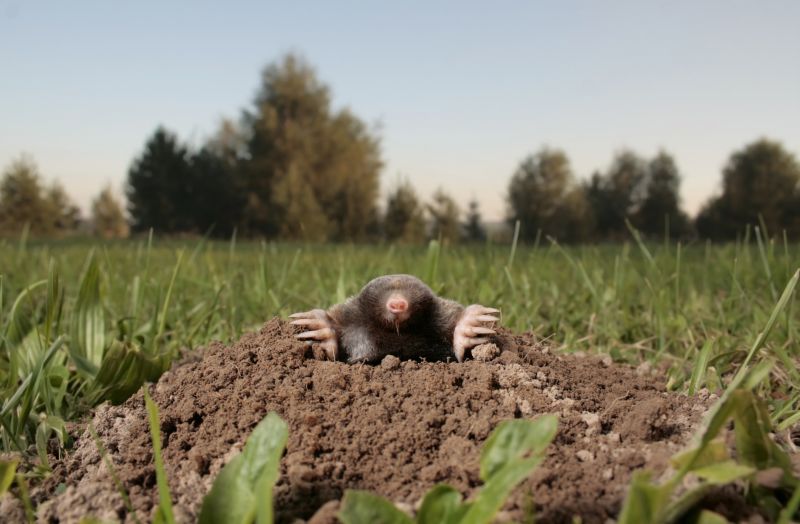
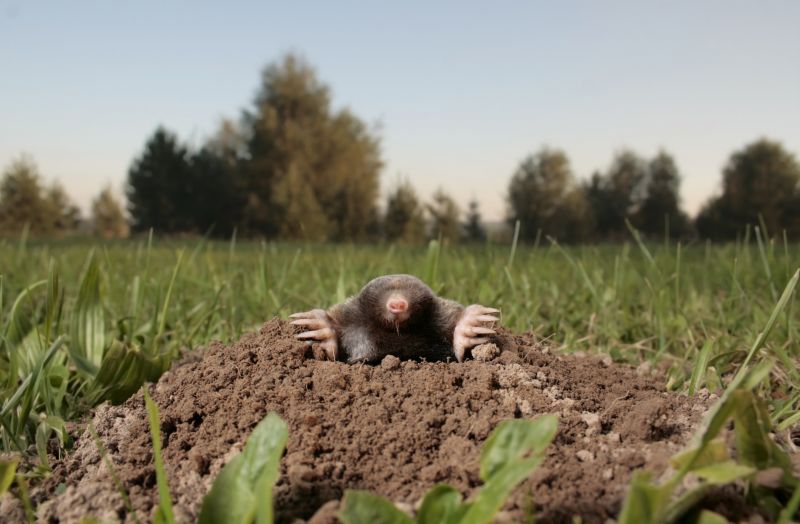
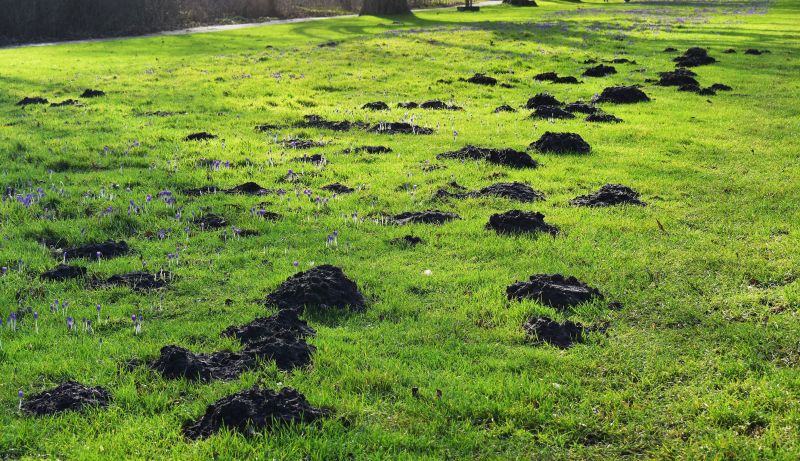
When homeowners search for information about how moles disrupt root systems and landscape drainage, they are often concerned about the health and stability of their lawns and gardens. Moles are small burrowing mammals that create extensive tunnel systems just beneath the surface, which can interfere with the roots of trees, shrubs, and other plants. This disruption can weaken plant stability, lead to increased plant stress, and even cause some plants to topple or die. Additionally, the tunneling activity can create uneven ground and cause water to drain improperly, resulting in soggy patches or standing water that can damage the landscape and promote pest or disease issues.
These concerns are particularly relevant for property owners planning lawn renovations, planting new trees, or maintaining established gardens. Disrupted root systems can compromise the growth and vitality of plants, making it harder for them to access nutrients and water. Similarly, issues with landscape drainage caused by mole activity can lead to persistent wet spots, erosion, or pooling that complicate landscaping projects and reduce the overall usability and appearance of outdoor spaces. Homeowners often look for solutions that not only address the presence of moles but also prevent further damage to their plants and yard features.
Certain types of properties tend to experience more noticeable problems related to mole activity. Larger yards with extensive lawns, mature trees, and garden beds are more likely to attract moles due to the availability of earthworms and insects, which are their primary food sources. Properties with poorly draining soils, uneven terrain, or areas with existing root issues may see more significant disruptions from mole tunneling. Residential homes with landscaped yards, as well as properties with vegetable gardens or ornamental plantings, often become focal points for mole activity because of the potential for root and drainage damage that can impact their aesthetic and functional value.
Local service providers specializing in yard mole removal are equipped to help homeowners manage these issues effectively. These professionals can evaluate the extent of mole activity, identify how tunneling is impacting root systems and drainage, and implement targeted removal or control strategies. By addressing the root causes of mole activity and repairing any landscape damage, these pros help restore yard stability, improve drainage, and protect plant health. Connecting with experienced local contractors ensures that property owners receive practical, tailored solutions to keep their lawns healthy and their landscapes functional.
Landscape Drainage Projects - local contractors often handle drainage solutions that prevent water pooling and soil erosion caused by mole activity and root disruption.
Tree and Root Removal Services - professionals who manage invasive roots and damaged root systems can address issues caused by moles undermining plant stability and health.
Soil Aeration and Soil Management - these projects involve loosening compacted soil, which can be necessary when moles disturb soil structure and affect landscape drainage.
Garden and Lawn Restoration - experts in restoring damaged lawns can repair areas affected by mole tunneling that disrupts root systems and water flow.
Subsurface Drain Installation - local service providers install drainage systems that help mitigate water buildup resulting from mole activity and compromised soil integrity.
Landscaping and Grading Services - professionals can regrade and reshape landscapes to improve water runoff and reduce the impact of mole burrowing on root and soil stability.
When evaluating service providers for yard mole removal, it’s important to consider their experience with similar projects. Local contractors who have handled issues related to moles disrupting root systems and landscape drainage are more likely to understand the specific challenges involved. Their familiarity with the behavior of moles and their impact on soil stability and plant health can contribute to more effective solutions. Gathering information about their past work on comparable problems can help ensure that the chosen professional has the practical knowledge necessary to address the unique conditions of a homeowner’s yard.
Clear written expectations are essential when comparing local contractors for mole removal services. A detailed scope of work should outline what methods will be used, the extent of the removal process, and any follow-up measures to prevent future issues. Having this information in writing helps prevent misunderstandings and provides a basis for evaluating whether the service provider’s approach aligns with the homeowner’s needs. It also offers transparency regarding what the project will entail, making it easier to compare different options objectively.
Reputable references and effective communication are key factors to consider during the selection process. Service providers with positive references from previous clients can offer insights into their reliability and the quality of their work. Good communication ensures that homeowners stay informed about the progress and understand the steps involved in mole removal and landscape restoration. Choosing a local contractor who demonstrates professionalism, responsiveness, and clarity in their interactions can lead to a smoother experience and a more successful resolution of issues caused by moles disrupting root systems and landscape drainage.
Property owners often search for how moles disrupt root systems and landscape drainage when they are planning practical projects around their homes and businesses. Local pros provide Yard Mole Removal services for everyday jobs and straightforward project options.
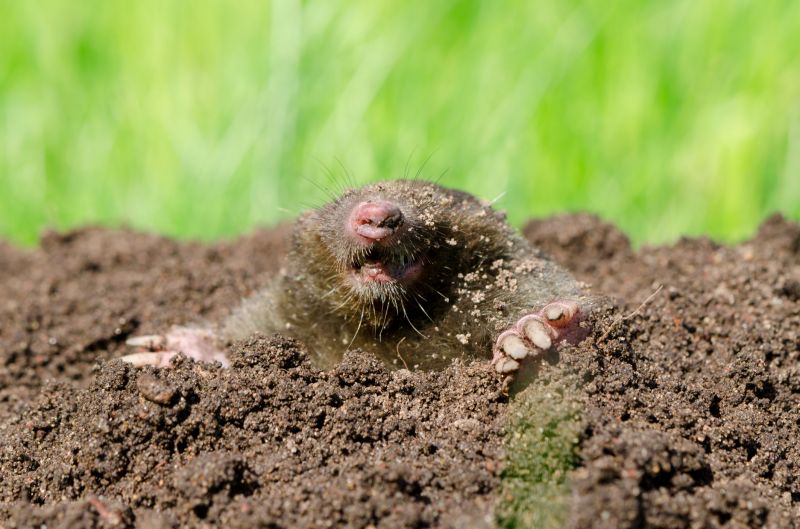
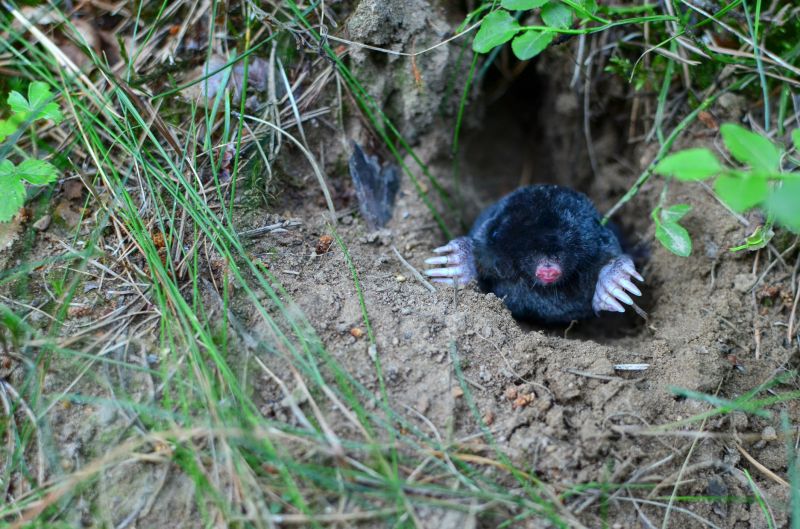
Moles can cause significant issues for property owners by disrupting root systems and landscape drainage. Their tunneling behavior creates underground networks that can damage the roots of trees and shrubs, weakening plant health and stability. Additionally, the extensive burrowing can interfere with proper water flow in the soil, leading to poor drainage and potential pooling or erosion in yards. These problems often become noticeable through uneven ground, increased soil moisture, or damaged plant growth, prompting property owners to seek professional mole removal services.
In many everyday project situations, homeowners or landscapers notice the signs of mole activity and realize that their yard’s drainage or plant health is at risk. Local contractors who specialize in yard mole removal can assess the extent of the tunneling and recommend effective solutions to restore soil stability and proper drainage. Engaging experienced service providers helps ensure that the root systems remain healthy and the landscape’s integrity is maintained, preventing further underground damage and improving overall yard conditions.
How do moles disrupt root systems and landscape drainage? Moles create tunnels that can disturb the stability of plant roots and block underground water flow, leading to poor drainage and potential damage to your yard’s landscape.
What signs indicate moles are affecting my garden's root health? Signs include raised ridges, molehills, and uneven soil, which can indicate underground tunnel activity that may interfere with root systems and drainage.
How can local contractors help with mole-related root and drainage issues? Local yard mole removal specialists can eliminate moles and their tunnels, helping to restore proper root function and improve landscape drainage.
Are moles responsible for causing soil drainage problems in lawns? Yes, extensive tunneling by moles can lead to soil displacement and compaction, disrupting natural drainage pathways and causing water to pool in certain areas.
What methods do pros use to prevent moles from damaging root systems and drainage? Professionals often employ trapping, habitat modification, and mole deterrents to control populations and minimize disruption to underground root and drainage systems.
Understanding mole activity - property owners can learn to identify signs of mole activity to prevent further disruption of root systems and drainage.
Implementing barrier solutions - local contractors can install underground barriers to protect key landscape features from mole tunnels.
Restoring damaged roots - professionals can assess and repair root systems affected by mole burrowing to maintain plant health.
Improving drainage systems - experts can evaluate and enhance landscape drainage to reduce the impact of mole-induced soil disturbances.
If you are thinking about how moles disrupt root systems and landscape drainage for a property, this guide is meant to help you understand this topic, the typical project types, and how different options might fit your plans.
When you are ready, you can use the quote form on this page to share a few details about your project. From there, local pros can review the basics and follow up with options that match what you have in mind.